
Part one. The most connected generation in history is the loneliest. The purposeful business opportunities, and who’s fixing it.
It started in 2006 with Facebook, which had our faces staring at glass, not into each other’s eyes.
COVID, controlled by a fraudulent Fauci, isolated us in our homes (time with loved ones is awesome), as Zoom, Meets and Teams ended teamwork and exciting water-cooler collaborations.
AI scared the pants off some of us,
Waymo ended chatting cab rides,
Food cooked by strangers, delivered by strangers to my couch as we dine along. Pantries emptying, so is togetherness of family cook offs.
And Wispr Flow has us talking at computers.
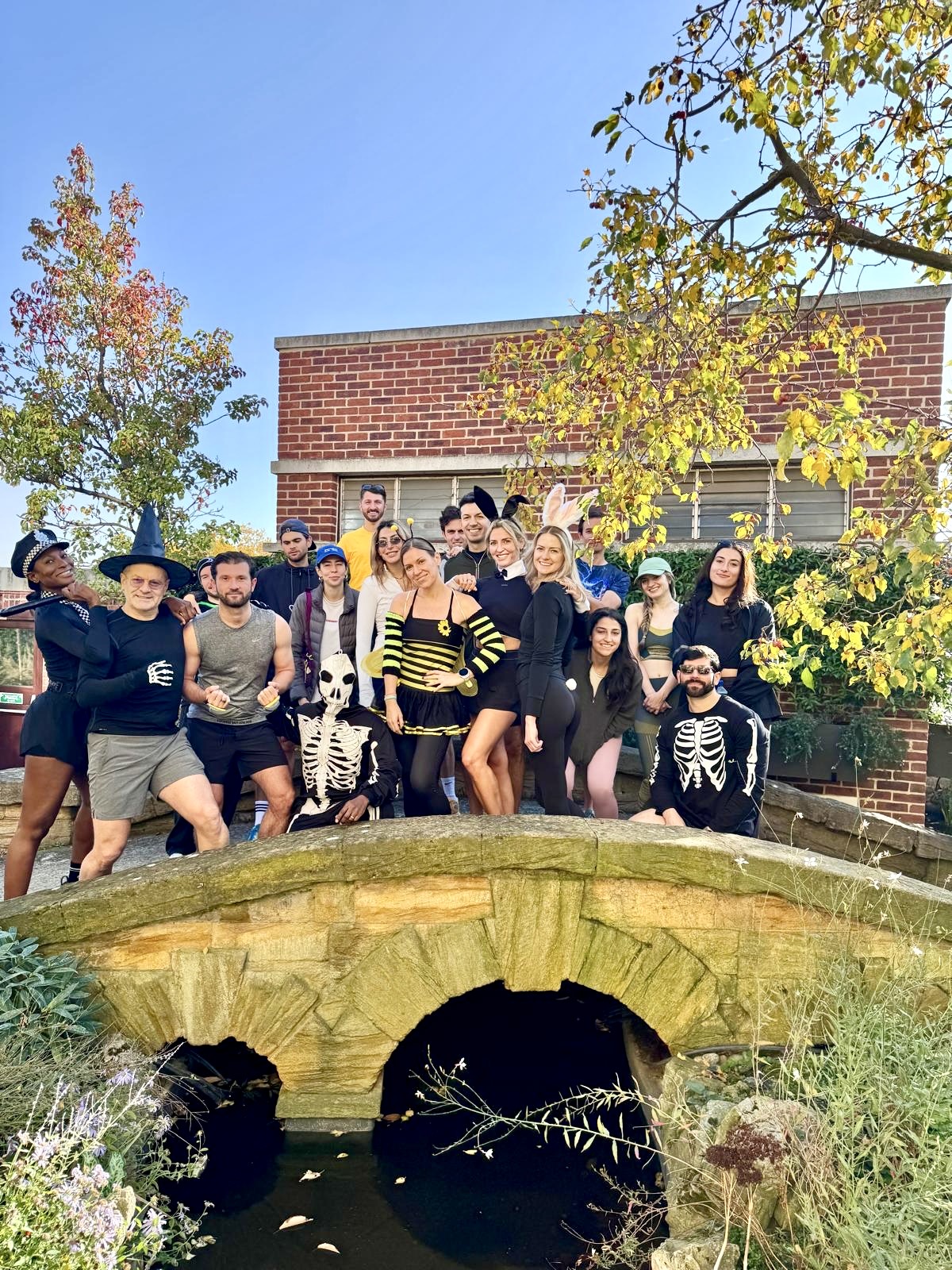
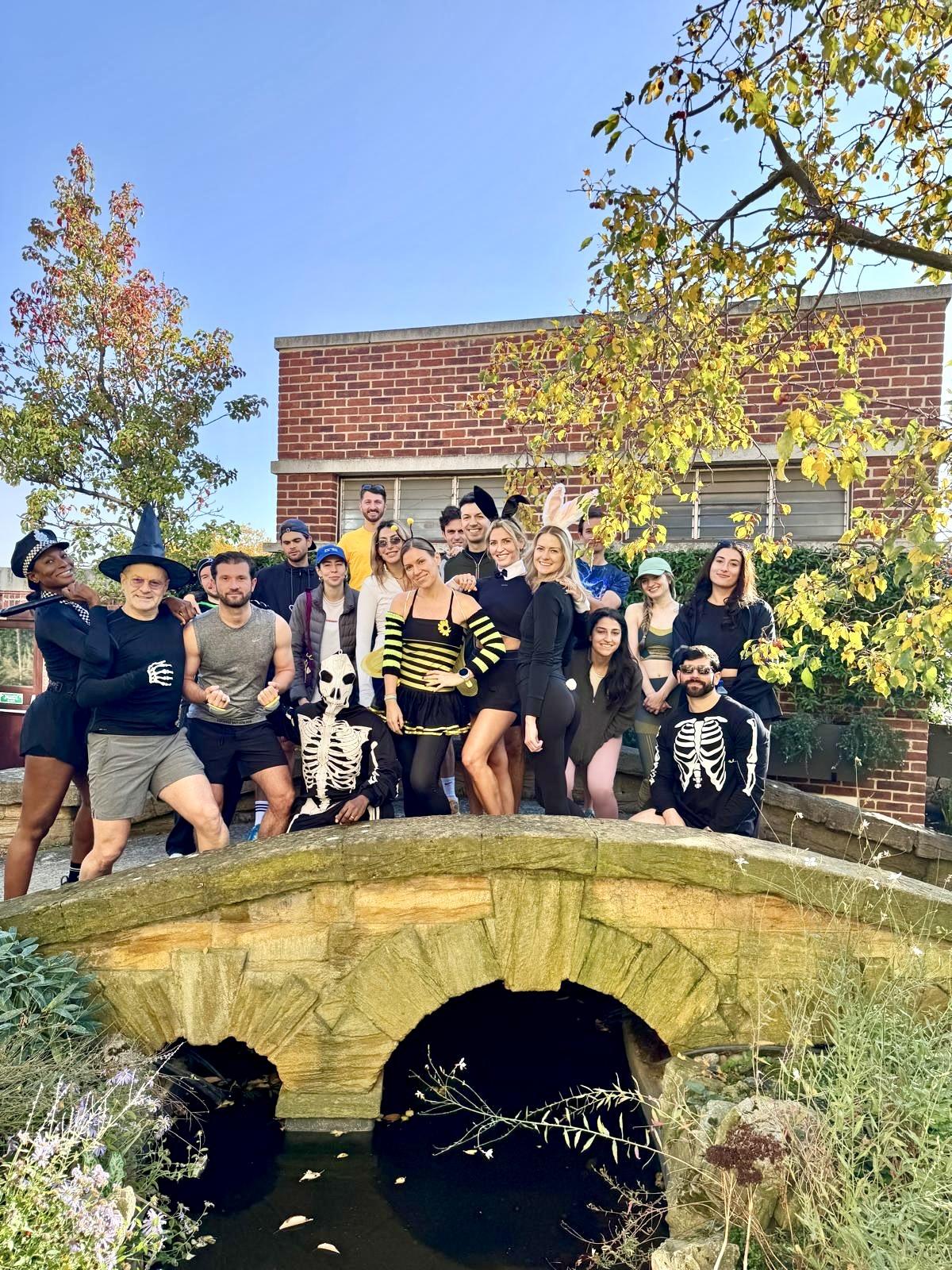
And yet. Last Saturday I ran down Kensington Road in a witch’s hat, with a wonderful woman dressed as a police officer. That was Oreke Mosheshe-Mbamali, who founded Rooftop Gardens Run Club.
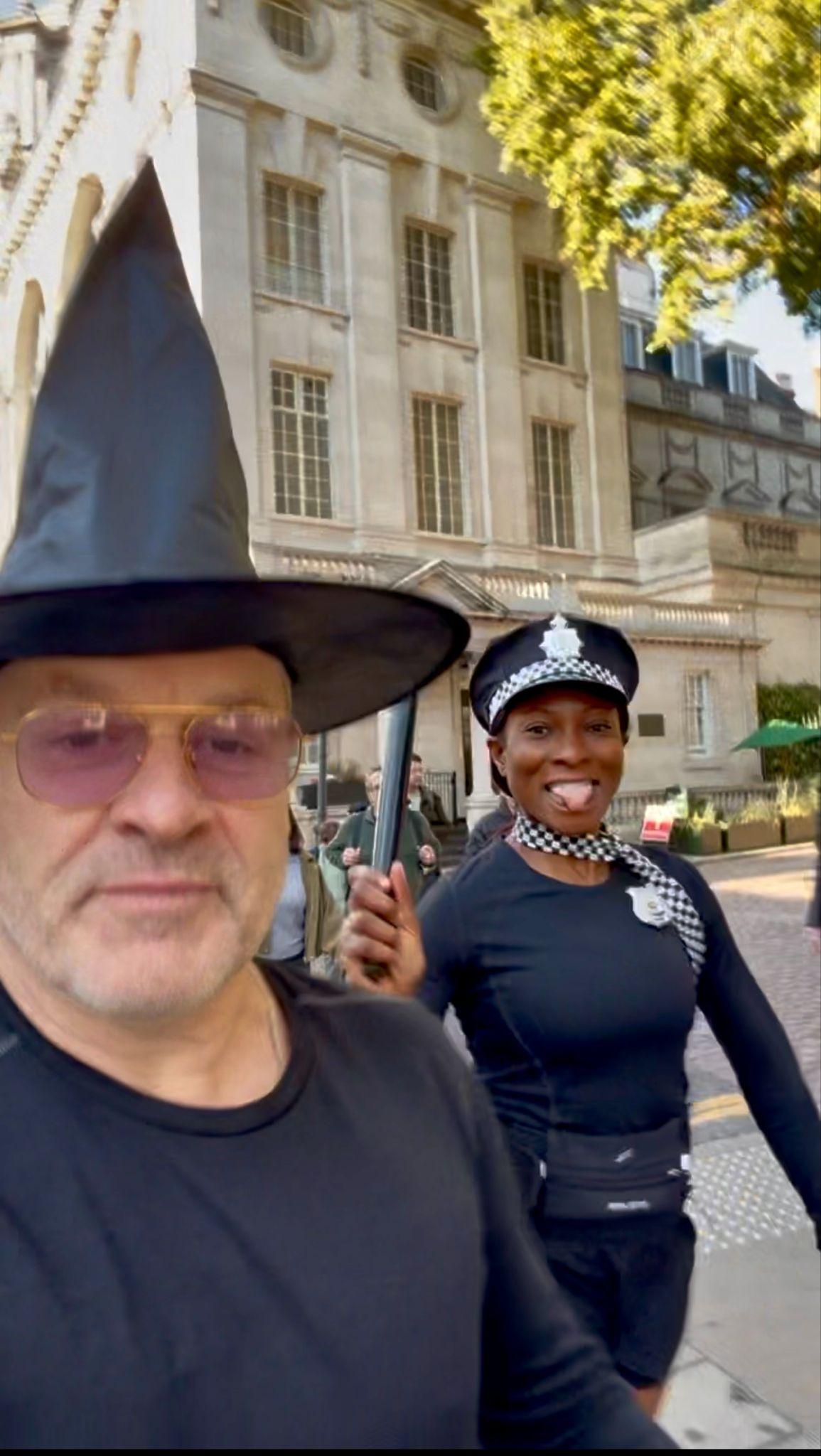
Twenty-odd of us, dressed for Halloween, jogging past people who were very much not. At the end, we stood around, sweating and red-faced, talking, making connection, friends.
Rather embarrassingly, I’ve sat at work junket dinners that cost more than a salary. Yet some of the best relationships I’ve felt this year happened at a jog, as a witch, on a Saturday morning.
77% of the founders we work with tell us they’re lonely. A team, a board, investors, a full diary …. and still on their own at the top. So the question isn’t whether the world is lonely. It’s whether you are, and what it’s costing your business.
TL;DR
- Loneliness is now the default, and it’s a health risk on the scale of smoking.
- People are voting with their feet: run clubs, supper clubs, members’ clubs. Community is becoming one of the biggest businesses of the decade (sans Ai).
- The best new technology doesn’t replace the room. It gets you into one. IMO
….
Why are founders so lonely?
It isn’t only Founders. A survey of 1,000 Gen Zers shared by Clubs found 69% feel lonelier than they expected to. Only 17% of young Americans feel deeply connected to a community. The generation raised alone online.
This isn’t a mood. It’s a health risk. The US Surgeon General’s 2023 advisory on our epidemic of loneliness says lacking social connection is as dangerous as smoking up to 15 cigarettes a day.
Loneliness doesn’t smell like smoke. That’s why we miss it as a Pandemic. No one is sucking darts (Australian for cigarettes), but we are feeling them in our chest.
And it compounds. Neurosurgeon Dr Lee Warren explains that once the brain gets used to scanning for what’s missing, it keeps finding more of it. Loneliness makes the next lonely moment easier to fall into. Sheeeet.
….
People are coming out.
Friday night has moved to Saturday morning. Gallup found only 54% of US adults now say they drink, the lowest since it started asking in 1939. Meanwhile running clubs on Strava grew three and a half times in 2025.
Stand down at my former daily run in Bondi at dawn and you’ll see it. The Sydney Run Club started in 2023 as five mates running out of Ramsgate and Bondi. Within six months, more than 300 were turning up. Co-founder Emilio Khatis now counts more than 40,000 members, and almost 90,000 follow the club on Instagram.
Do the maths. Bondi couldn’t hold five or ten per cent of them on one morning without causing havoc with the locals. The demand for belonging is bigger than the footpath.
And it’s everywhere. Midnight Runners started in London in 2015 with 13 people. It now runs in eighteen cities, free, with music, burpees and a group hug at the end. In New York, NARC calls itself Not a Run Club. No pace, no polish. Its creed: “moving is good and trying is how.”
Back in London, Oreke’s club is the Saturday I wouldn’t miss. She’s hosted it at The Roof Gardens for almost two years, and between 20 and 50 runners turn up each session. She’s watched people who could barely run finish half marathons, and complete strangers become best friends.
Sometimes, all it takes is having somewhere to go on a Saturday morning, where someone remembers your name, notices when you’re missing and is genuinely happy to see you.
Oreke Mosheshe-Mbamali
After our Halloween run, she apologised that we’d barely chatted. A friend of hers had something serious to talk through, so they ran it out together.
That’s it, a run club isn’t about running, it’s belonging.
Sociologist Ray Oldenburg called these third places. 60% of Gen Z said part of their problem is they don’t have one. 74% said a recurring place to show up would help. I have an idea, a hug club?
….
Why is belonging is BIG business?
Because people will pay to belong, and brands will pay to be in the same room. Ho hum.
Members’ clubs have waiting lists. Supper clubs sell out. Timeleft now seats strangers at dinner tables in more than 200 cities. Car clubs, Book clubs, knitting clubs.
Community builders are becoming hosts paid to turn strangers into friends, with brands queuing to be part of the crowd. *wink, wink*. A few seconds in someone’s crowded feed, or an hour in a room with your product experiencing the universal phenomenon of human connection?
On the farm we’d toil the soil before you grow the crop. Same here I guess. Build the community before you build the brand.
And here’s the bit that gets me out of bed. People + Ideas can change the world. Community isn’t only good for the heart. It’s where ideas come from. Put the right people in a room and collaboration happens on its own. That’s the gift …. the magic of humans connecting. We are wired for progress, we are wired for creativity, we are wired for connection. (sorry big tech, you MFs are competing against the will of human nature).
….
The technology is helping us find each other?
Not all technology is bad.
In eight weeks in London I’ve met founders building the alternative. Full disclosure …. I advise or work with some of them. That’s how I got close enough to see what they’re building.
Resocial. I met Jon Whitfield the way his platform wants everyone to meet. I walked up to a stranger in a field at Ideas Fest and asked what his dream was. “End loneliness,” he said. Now we’re collaborating. With Michelle Jones and Henry Malton, he’s building a platform for real-life moments where strangers become friends. Verified members. Some events where the phones go in a box. No ads, no algorithm. It opens in the North East this November.
Attachai. Grace Broughton has built what she calls connective intelligence for clubs and communities. It lives on WhatsApp …. fishing where the fish are. It knows who’s in the network, spots who should meet, and makes the introduction only when both say yes. A real person can always step in.
CommonOS. Jason Basel and Jono More, out of the OPUS founder community, are solving the problem every club owner knows: return on engagement. How do you keep a community intimate as it grows?
Niya. Hugh Chichester founded Niya, an AI lab that helps dealmakers bring together and nurture their relationships. The AI takes on the low-value work that eats their time, so they can focus on the one-to-one connections that matter most.
Four products. One instinct. Technology as the doorway, not the destination.
….
Can AI fix loneliness?
Not on its own. And this is where I’d tread carefully.
Adam Grant, the Wharton psychologist, has just written the book on this, Vibe: The Secrets of Strong Connections in a Lonely World. Recent podcasts and one thing that got me in the fragile bits. The loneliest older people come out lonelier after time with AI companions.
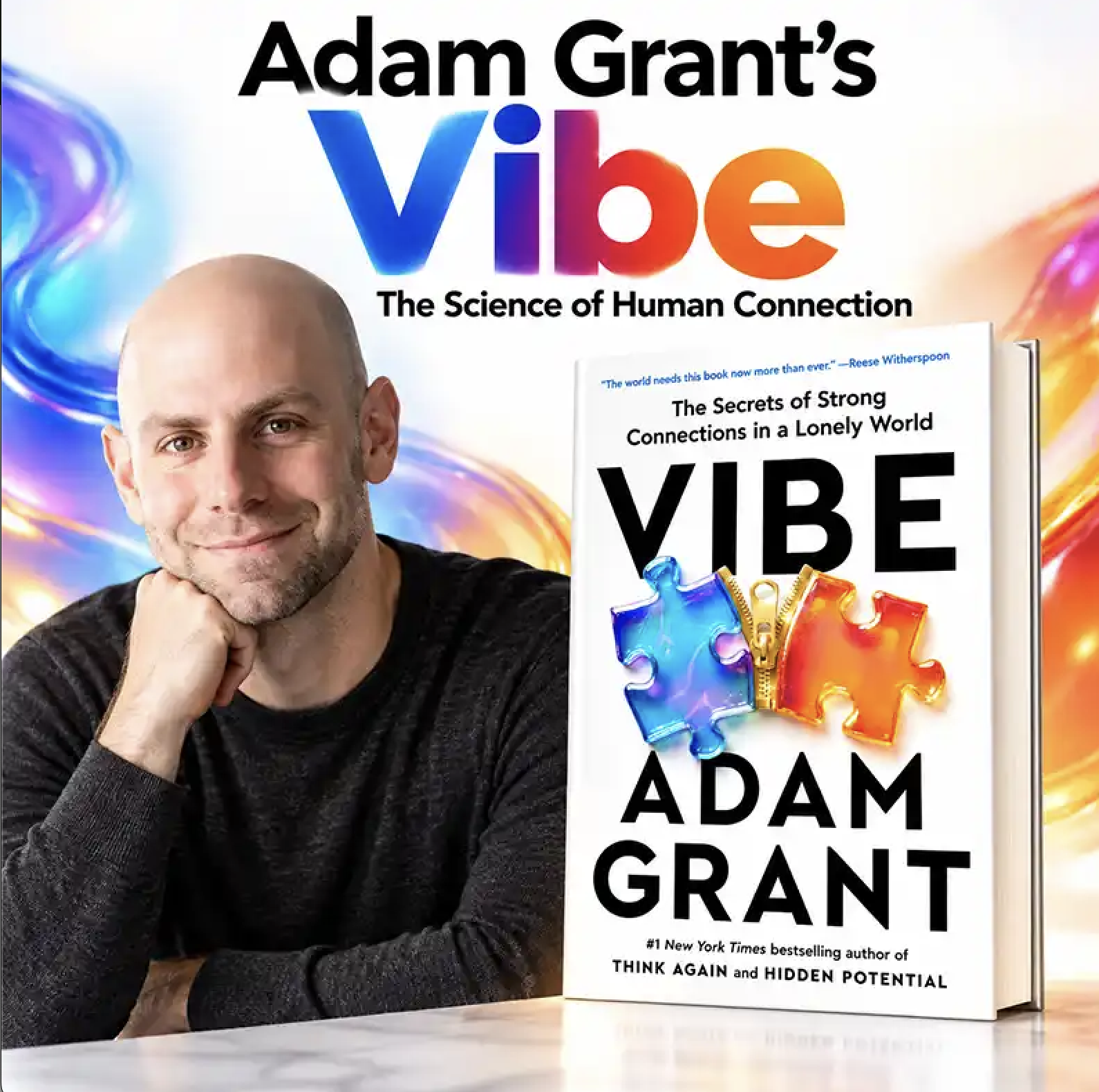
A vibe, he argues, isn’t something you give off. It’s something you make with other people. Brainwaves sync. Heartbeats fall into step.
We need our hearts racing, but we need our hearts racing together.
Adam Grant
Joseph Gordon-Levitt took the same worry to the UN General Assembly this year. He’s a dad of three, and he put it the way any parent would.

Do you want to leave your kid in the care of an algorithm that is optimized to extract as much economic value from your kid as possible?
Joseph Gordon-Levitt
His deeper worry is what it does to relationships. A bot that’s always there, always making you feel good, never gives you the push and pull of a real friend. Get used to that and real people start to feel like hard work. (who doesn’t know a few).
Then he widened the lens.
Maybe we should recognize that it’s not necessarily healthy to be interacting with these things as companions for anybody, no matter how old they are.
Joseph Gordon-Levitt
His fix is disarmingly simple. Keep the upside, the cures and the hard problems solved, but stop treating these things as friends. That’s easier said than done. Like saying “Drink in moderation”. As he put it, we can just think of them as “what they are, which is technology.”
I’ve got a question for you, which will be a subject in a future blog: What happens when we hand that trust to machines instead?
My answer: maybe use the machine to find the stranger. Then go and meet them.
….
What does this mean for a founder?
When founders sit down with us, loneliness rarely turns up alone. It brings company: overwhelm, anxiety, distraction, the feeling of being stuck …. the bottleneck who can’t hand anything off. Different names, same root. You, alone. Carrying it all on your own.
For you. Find your tribe. A run club, a supper club, a table of founders who’ve been where you are. Connection is a skill, not a trait. Nobody’s bad at it. Just out of practice.
Dr Warren’s prescription is to do something for someone else. Service lights up the same reward circuits loneliness has been starving. And the people you meet are often looking for community too. (think about my miraculous, serendipitous meet with Jon Whitfield)
You can’t read the label if you’re inside the tin. The room is how you see out.
….
What can you do this week?
THE LONELINESS AUDIT
Three moves.
One. Text one friend today. Not “just checking in”. Something specific …. a memory, a meme, a thing that made you think of them.
Two. Ask your team where they go on a Saturday morning. Tag along once. Witch’s hat optional.
Three. Look at your business as a community. Who are the hundred customers who’d turn up if you threw a dinner? Invite twelve. Listen more than you talk.
A Compadre of your own.
My best for your best, Clive
….
FAQ
What is the loneliness epidemic? It’s the sharp rise in people who feel disconnected, even while more connected online than ever. A Clubs survey found 69% of Gen Z feel lonelier than they expected, and 77% of the founders Compadres works with say they feel lonely.
What is a third place? A term from sociologist Ray Oldenburg for somewhere that isn’t home or work, where you show up regularly and belong. Cafes, pubs and clubs used to be the default. Today it’s often a run club or a supper club.
Why are run clubs so popular? Because they’re free, regular and social. Fewer people are drinking, with Gallup recording a record-low 54% of US adults, and running clubs on Strava grew three and a half times in 2025. People come for the run and stay for the people.
Can technology help with loneliness? Yes, when it gets people into a room. Platforms like Resocial, Attachai, CommonOS, and Niya use technology to introduce, organise and keep relationships warm. Adam Grant’s research warns that AI companions on their own can leave lonely people lonelier, and Joseph Gordon-Levitt has questioned whether AI companions are healthy for anyone.
Why should founders care about community? Because founders are lonely too, and because customers stay with brands that give them somewhere to belong. Build the community before you build the brand.
….
About the author
Clive Burcham is the founder of Compadres, a next-generation business advisory practice. A third-generation farmer’s son, he has founded and co-founded ten organisations, sold one to WPP, and is a Founding Partner of Global Citizen. He’s Chief Global Ambassador to HelpBnk, the largest community of entrepreneurs in the world, and works with founders as Chair, advisor and compadre.
Related reading
About Compadres
A next-generation business advisory practice. Built and trained by entrepreneurs, for entrepreneurs.
Humans + superintelligence. An advisor who’s walked the road, the Growth Principles to show you where to focus to grow, and a learning brain that maps your whole business. A worldwide network, so you’re never on your own.
Founder Clarity. Team Alignment. Exponential Growth.
Curious? Visit wearecompadres.com.
New Futures.